

Why Choose Premium Cotton Hoodies: Comfort That Lasts
Table of Contents
- What Separates a Premium Cotton Hoodie From a Basic One
- 100% Cotton vs Cotton Poly Blend Hoodies: Which Wins?
- Why Premium Cotton Matters for Graphic Prints That Last
- How to Wash Graphic Sweatshirts Without Ruining the Print
- The Lifestyle Benefits of Premium Cotton Hoodies
- Climate and Comfort: Matching Fabric to Your Environment
- Conclusion
- Frequently Asked Questions
Last Updated: September 10, 2026
What Separates a Premium Cotton Hoodie From a Basic One
A premium cotton hoodie is a garment built from long-staple, ring-spun cotton with a higher fabric density, tighter construction, and heavier weight than mass-market alternatives. That combination produces softer hand feel, better shape retention, and a print surface that holds graphics far longer. This guide from Respect My Tshirt breaks down exactly what you're paying for when you choose premium cotton hoodies over a basic big-box option.
Most shoppers assume all cotton is the same. It isn't. The fiber quality, spinning method, and fabric weight (measured in GSM, or grams per square meter) determine whether a hoodie survives fifty washes or starts pilling after five.
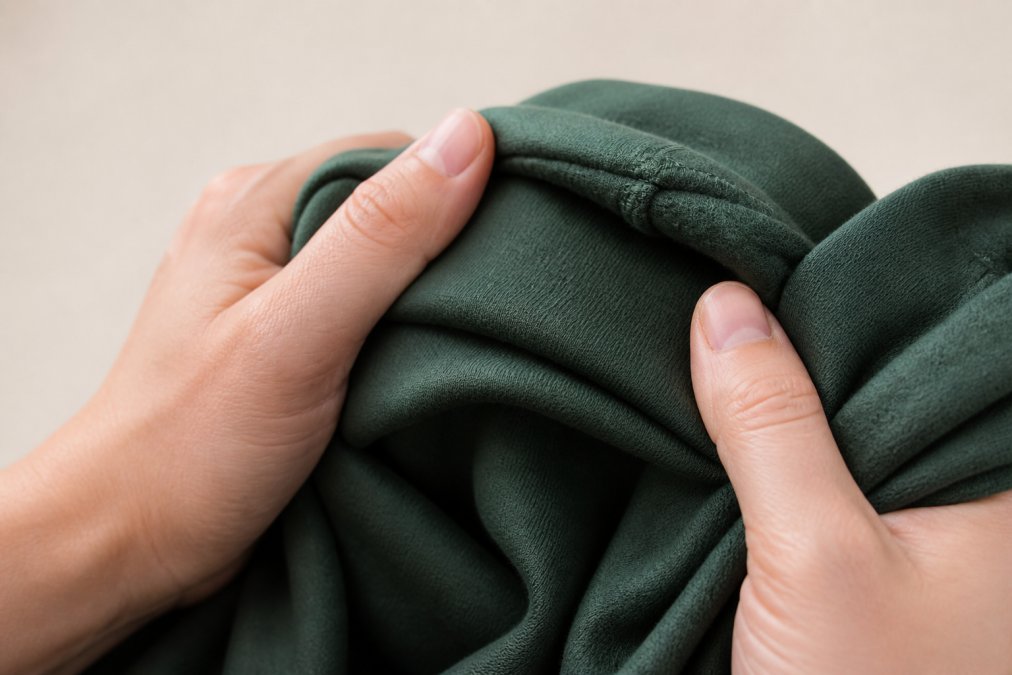
Here's what actually separates the two tiers:
| Feature | Basic Hoodie | Premium Cotton Hoodie |
|---|---|---|
| Fiber type | Carded, short-staple cotton | Combed, ring-spun long-staple |
| Fabric weight | 7-8 oz (lightweight) | 8-10 oz (heavyweight) |
| Pilling resistance | Low | High |
| Shape retention | Loses fit after washes | Holds structure |
| Print durability | Fades, cracks quickly | Resists cracking |
100% Cotton vs Cotton Poly Blend Hoodies: Which Wins?
For comfort and print longevity, 100% cotton wins. For budget and wrinkle resistance, a cotton-poly blend has advantages. The right pick depends on how you wear the hoodie and how you wash it.
Natural fibers breathe better and feel softer against skin. Synthetic blends resist shrinkage and hold color slightly longer under harsh laundering, but they pill more and trap heat. Most people buying graphic apparel for daily wear should lean cotton.
How Each Fabric Handles Print and Wear
Cotton takes screen printing and custom embroidery cleanly because its surface is smooth and absorbs ink. Blends with high polyester content can repel water-based inks, which leads to a plasticky finish that cracks faster.
- 100% cotton: Best printability, softest hand feel, moderate shrinkage if not pre-shrunk
- Cotton-poly blend: Better shape retention, less breathability, higher pilling risk
- Tri-blend: Softest drape, but the weakest print durability of the three
The Textile Exchange materials overview notes that natural fiber performance varies widely by staple length, which is why two "100% cotton" hoodies can feel completely different.
Why Premium Cotton Matters for Graphic Prints That Last
Graphic prints fail for one reason: the fabric underneath them moves. Cheap cotton shrinks unevenly, pills, and loses shape, dragging the print with it. Premium cotton hoodies hold their dimensions, so the design stays flat and intact.
If you've bought graphic tees online before and watched them fall apart after a few washes, the fabric was likely the culprit, not the ink. Long-staple, ring-spun cotton resists the fiber migration that causes cracks.
How to Wash Graphic Sweatshirts Without Ruining the Print
Most premium cotton hoodies don't die from wear. They die in the laundry. Pilling, shrinkage, and cracked prints are almost always laundering problems, not fabric problems, which means the care routine matters as much as the GSM you paid for.
Turn the garment inside out, wash cold on a gentle cycle, and air dry. That single routine prevents most print damage, shrinkage, and pilling. Learning how to wash graphic sweatshirts properly takes two minutes and saves the design.
Why Cold Water and Air Drying Actually Work
Cotton fibers are held together by hydrogen bonds that relax in heat and agitation. Hot water swells the fiber, and a hot dryer locks in whatever shape the fabric takes while it's swollen, that's the mechanism behind both shrinkage and the fiber migration that cracks screen-printed ink. Cold water keeps the fiber relaxed; air drying removes the mechanical tumbling that pulls loose fibers to the surface and forms pills.
A common pattern among people who ruin hoodies fast: they wash warm "to get them clean," then tumble dry on medium. That combination is the single biggest cause of a premium hoodie looking three years old after six months.
Step-by-Step Care for Long-Term Wear
- Turn the hoodie inside out to protect the print surface
- Wash in cold water on a gentle or delicate cycle
- Use mild detergent, never bleach or fabric softener
- Skip the dryer; hang or lay flat to air dry
- Iron inside out on low if needed, never directly on the graphic
- Store folded rather than on a hanger to preserve shoulder shape
The Long-Term Maintenance Protocol Most Guides Skip
Preventing damage is step one. Keeping a premium hoodie looking new for years is step two, and it's where most buying guides stop short.
Pilling. Pills form when short fibers work loose and tangle. Long-staple ring-spun cotton resists this because fewer short fibers are exposed in the first place, but friction still matters. Wash hoodies separately from heavy items like jeans and towels, which abrade the surface. If pills do appear, a fabric shaver removes them without cutting into the knit, go with the grain, not against it.
Color fading. Fading comes from dye loss during washing and from UV exposure during drying. Washing inside out reduces surface abrasion on the dyed face of the fabric, and drying in shade rather than direct sun slows UV-driven fading. Dark hoodies fade fastest, so they benefit most from both habits.
Shape retention. Hanging a wet hoodie by the shoulders stretches them out permanently. Lay flat to dry on a towel, reshaping the shoulders and hood while damp. Once dry, fold, a hanger concentrates the garment's full weight on two points and deforms the shoulder seam over time.
Print longevity. Water-based inks sit in the fabric; plastisol inks sit on top of it. Water-based prints on premium cotton tend to fade gracefully with the garment, while plastisol prints crack when the fabric beneath them moves. Either way, inside-out washing and no dryer heat is the difference between a print that lasts the life of the hoodie and one that peels in a season.
The American Cleaning Institute fabric care guidance confirms cold-water washing reduces fiber stress and color fading. Follow this and a quality hoodie will outlast a cheap one by years, not because the cotton is magic, but because you stopped cooking it.
The Lifestyle Benefits of Premium Cotton Hoodies
Comfort that holds up changes how often you actually reach for a garment. A premium hoodie becomes the one you grab daily because it still fits, still feels soft, and still looks sharp after a year of wear.
Thermal regulation matters here too. Cotton breathes, so you stay comfortable indoors and out without the clammy feeling synthetic blends produce. For anyone building a wardrobe around pieces they'll wear constantly, that reliability is the whole point.
Respect My Tshirt designs its Zodiac and graduation hoodies on exactly this premise: apparel you'll wear long enough to actually express something with it. The Cotton Incorporated fiber research backs the durability case for long-staple cotton over short-staple alternatives.
Climate and Comfort: Matching Fabric to Your Environment
Fabric weight is the spec most shoppers ignore and the one that determines whether a hoodie actually works for where you live. GSM, grams per square meter, is the standard measure, and it's a better guide than the vague "lightweight" or "heavyweight" labels on most product pages.
As a rough frame: mid-weight cotton hoodies run around 250-300 GSM, standard heavyweight fleece sits around 300-400 GSM, and premium heavyweight hoodies push past 400 GSM. In ounces per square yard, the unit most American apparel brands still print on the tag, that's roughly 8 to 12 oz. A 10 oz heavyweight hoodie is overkill in a warm climate and perfect in a cold one.
Matching GSM to Climate
- Hot, humid climates: Lightweight ring-spun cotton in the 250-300 GSM range, high breathability. Heavier fleece traps heat and feels clammy against skin.
- Cold, dry climates: Heavyweight fleece at 400 GSM and up, ideally with a brushed interior. The extra density blocks wind and holds warmth without a synthetic shell.
- Variable seasons and layering: Mid-weight French terry around 300-350 GSM. It layers under a jacket without bulking up and works alone in transitional weather.
This is the angle most buying guides skip. The "best" fabric depends entirely on where you'll wear it, and the same hoodie that's perfect in one climate is the wrong purchase in another.
Why Breathability Changes With Weight
Heavier cotton isn't just warmer, it's less breathable per square inch because the knit is denser. That's a feature in cold weather and a problem in heat. A 400 GSM hoodie in a humid summer will feel heavier and stickier than a 250 GSM one, even though both are 100% cotton. The fiber is the same; the density is what changes the experience.
The Layering Trade-Off
A heavyweight hoodie worn as an outer layer in cold weather works because the dense knit blocks air movement. The same hoodie worn as a mid-layer under a jacket can feel restrictive and trap moisture, because there's nowhere for heat and vapor to escape. If you plan to layer, size up and lean toward mid-weight French terry rather than maximum GSM.
The Cotton Incorporated fiber research backs the durability case for long-staple cotton over short-staple alternatives, and the same research explains why density, not just fiber type, drives how a hoodie performs across seasons.
Conclusion
Choosing apparel that survives real life, not just the first wash, is harder than it should be. That's the problem Respect My Tshirt set out to solve with premium cotton hoodies, sweatshirts, and tees built on quality fabric and exclusive Zodiac and graduation designs. With a wide size range from S to 5X and fast shipping, you get comfort and a fit that actually works for you. Get started with Respect My Tshirt and wear something built to last.
Frequently Asked Questions
Are 100% cotton hoodies worth it?
Yes, if you value breathability, softness, and print longevity. Premium cotton hoodies resist pilling and hold their shape better than cheap blends. They cost more upfront but last years longer, making them a better value over time. For everyday wear and graphic designs, 100% cotton is a solid choice.
What makes a hoodie premium?
Fabric quality is the biggest factor. Look for long-staple cotton, tight knitting, and a substantial fabric weight (around 300 GSM or higher). Premium hoodies also have reinforced stitching, double-lined hoods, and consistent dyeing. These details affect how the hoodie feels, washes, and wears over time.
How does cotton quality affect the longevity of graphic prints?
Smoother, denser cotton gives screen prints a better surface to adhere to, so they resist cracking and fading. Cheaper cottons with uneven texture cause ink to sit unevenly, leading to premature wear. Premium cotton hoodies keep graphics looking crisp after dozens of washes.
Is cotton better than polyester for everyday hoodies?
For comfort and breathability, cotton wins. It feels softer against the skin and regulates temperature better. Polyester blends dry faster and resist wrinkles, but they can pill and hold odors. If you want a hoodie for daily wear and easy care, premium cotton is the better pick.